
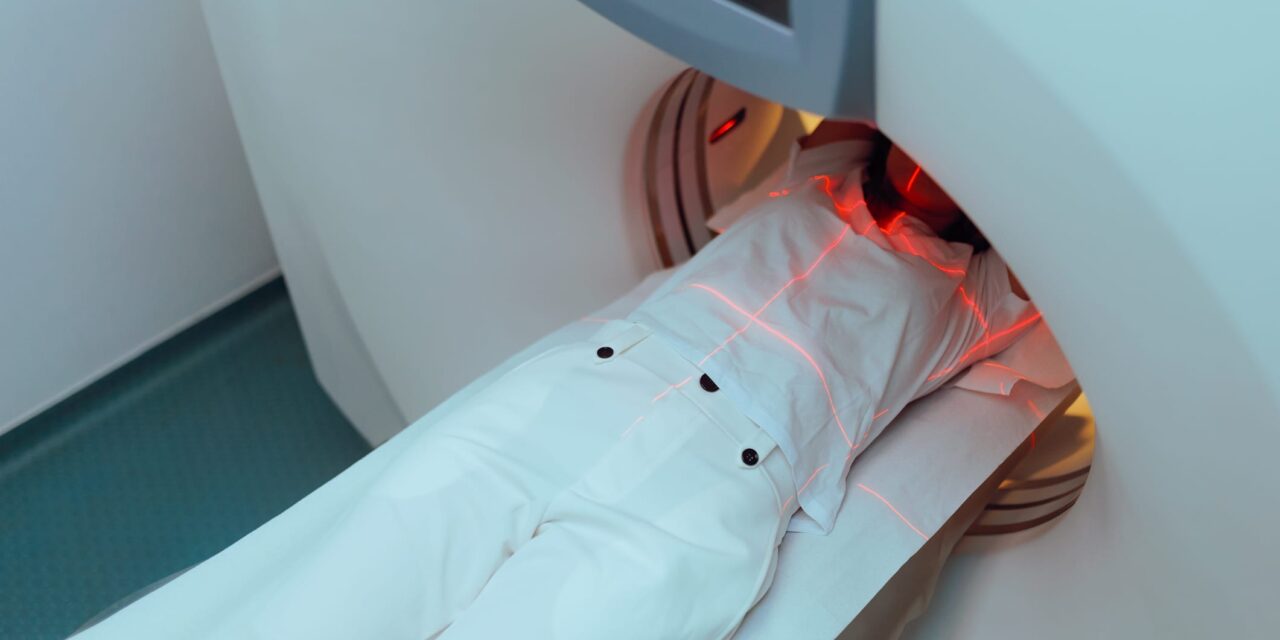
New research suggests that certain abnormalities found outside the lungs during screening can indicate extrapulmonary cancers, including kidney cancer and lymphoma.
Researchers have found that abnormalities detected outside the lungs during routine lung cancer screening may indicate other undiagnosed cancers, according to a study published in JAMA Network Open. The analysis aims to help clinicians determine which findings require follow-up and which may not be clinically significant.
Led by researchers at the Brown University School of Public Health, the study analyzed data from more than 26,000 participants in the National Lung Screening Trial. This federal study established computerized tomography (CT) scans as the standard for screening individuals at high risk for lung cancer.
Because CT scans capture images beyond the lungs, doctors often identify abnormalities in the kidneys, liver, and lymph nodes. The researchers found that individuals with these specific findings were more likely to be diagnosed with an extrapulmonary cancer within one year of the initial screening.
“In this paper, we provide an evidence base for making decisions on abnormalities outside of the lungs that might be seen at lung screening,” says Ilana F Gareen, PhD, a professor of epidemiology at Brown, in a release. “The goal is to give physicians and patients better data so that they can make more informed choices about those abnormalities that should be considered for follow-up and those that most likely can be ignored.”
As more individuals across the US undergo lung cancer screening, clinicians are expected to encounter these abnormalities more frequently. Previous research by Gareen and colleagues found that approximately one in three participants in the national trial had a finding of potential clinical importance unrelated to lung cancer. The new study narrowed this focus to abnormalities specifically identified by physicians as potentially indicative of cancer.
The results showed that cancer-related findings appeared in approximately 3% of screening rounds and 6.8% of participants across more than 75,000 scans. The strongest correlations were observed in urinary system cancers, such as kidney and bladder cancer, as well as lymphoma and leukemia.
The study authors noted that these findings may help clinicians balance early detection with the risk of unnecessary tests and procedures. Future research will investigate whether these rates of abnormalities and associated cancers are consistent among patients screened in community settings outside of a clinical trial.
Other researchers involved in the study included representatives from the Providence VA Medical Center, Duke Health, Massachusetts General Hospital, Atrium Health Wake Forest Baptist, and the University of Iowa. Funding was provided by the National Cancer Institute (NCI).
ID 399050919 © Nicoleta Ionescu | Dreamstime.com