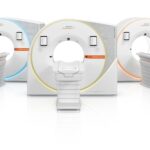

FDA Clears Philips Rembra CT, Rembra RT, and Areta RT Systems
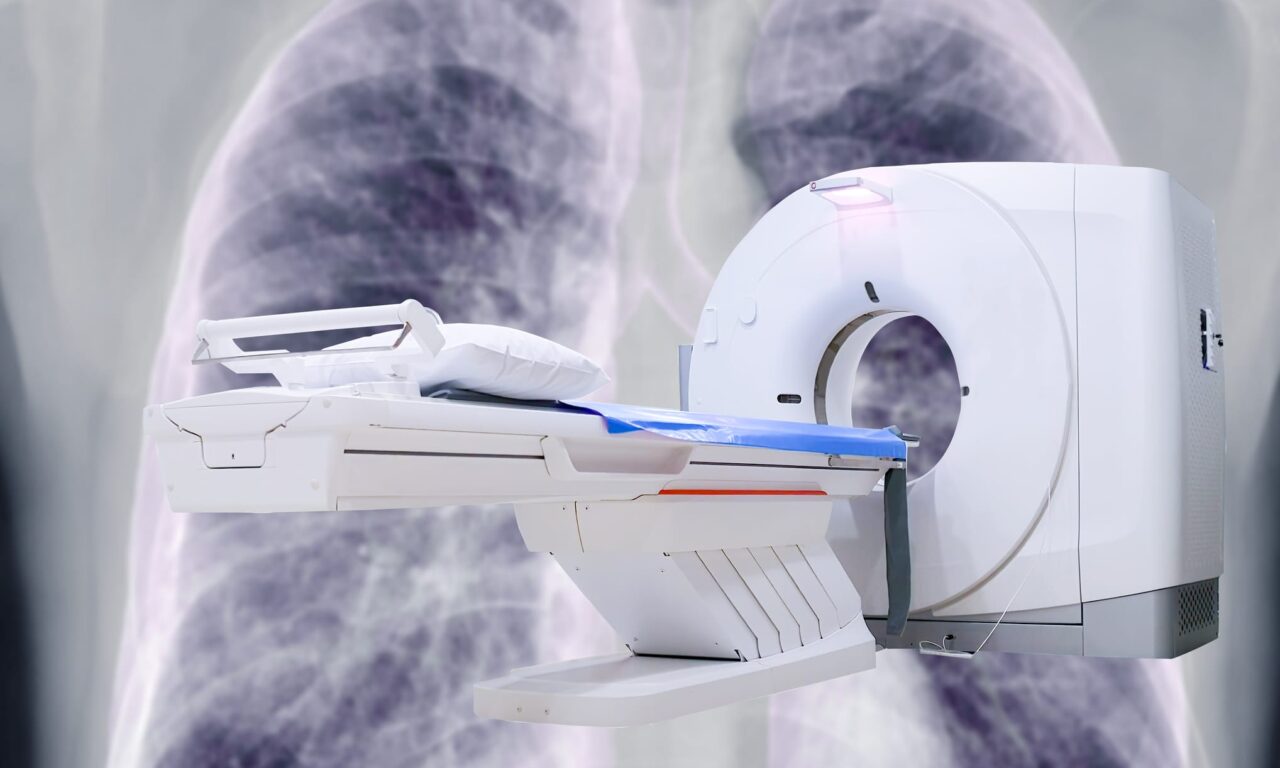
Clearances for the Rembra platform of scanning systems aim to enable high-throughput imaging at scale and elevate precision across the cancer care pathway.
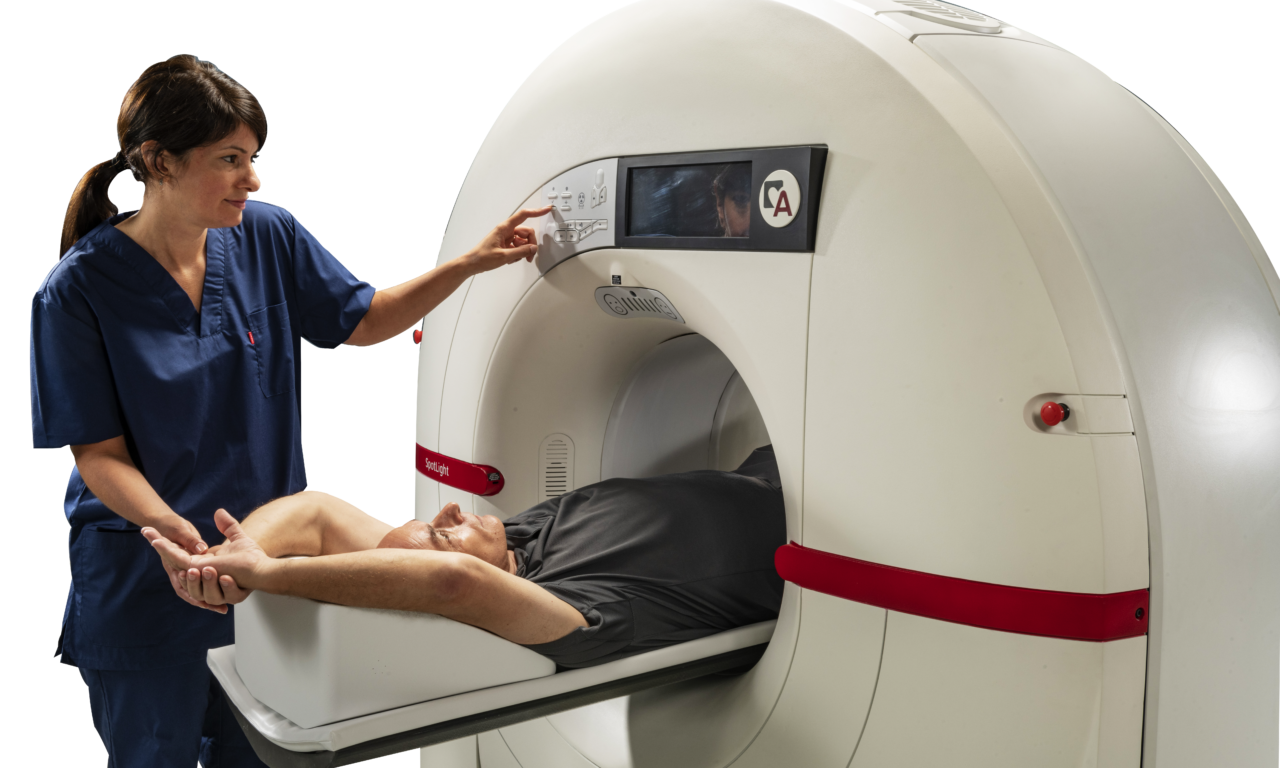
A 510(k) submission from GE HealthCare marks another step in the expansion of photon-counting CT technologies designed to capture richer spectral data and simplify scan acquisition.
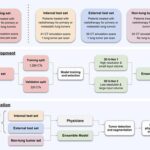
A new deep learning model using a large-scale dataset demonstrated near-expert-level accuracy in detecting and segmenting lung tumors on CT scans, offering potential for automating tasks like treatment planning and tumor burden assessment, though physician oversight remains essential for handling limitations.
Low-dose CT scans reduce the sensitivity of CAD systems in detecting small lung nodules in pediatric patients, especially for nodules smaller than 5 mm, according to a study comparing standard and low-dose scans.
Read MoreAdvanced Imaging of Montana has installed the first Somatom Pro.Pulse dual-source CT scanner in the U.S., which uses AI for tailored protocols and provides cardiac imaging while reducing space and power needs.
Read MoreAutomated CT-based AI tools reveal distinct body composition changes in semaglutide-treated patients, with weight loss linked to favorable cardiometabolic shifts and weight gain associated with reduced muscle quality.
Read MoreA study of over 10,000 non-smokers found that a significant portion had solid lung nodules, challenging the traditional view that non-smokers are at low risk, and suggesting current nodule follow-up guidelines may lead to unnecessary exams in low-risk individuals.
Read MoreBayer and Alara Imaging, Inc. are collaborating to address inconsistent radiation doses in CT scans by improving monitoring and feedback systems in hospitals, supported by CMS’s new safety measures and Alara’s software.
Read More