New Computational Method Reduces X-Ray Radiation While Maintaining Image Resolution
Researchers use ultra-low-light ghost imaging to produce high-resolution images with less than 1% of the standard radiation dose.


Researchers use ultra-low-light ghost imaging to produce high-resolution images with less than 1% of the standard radiation dose.
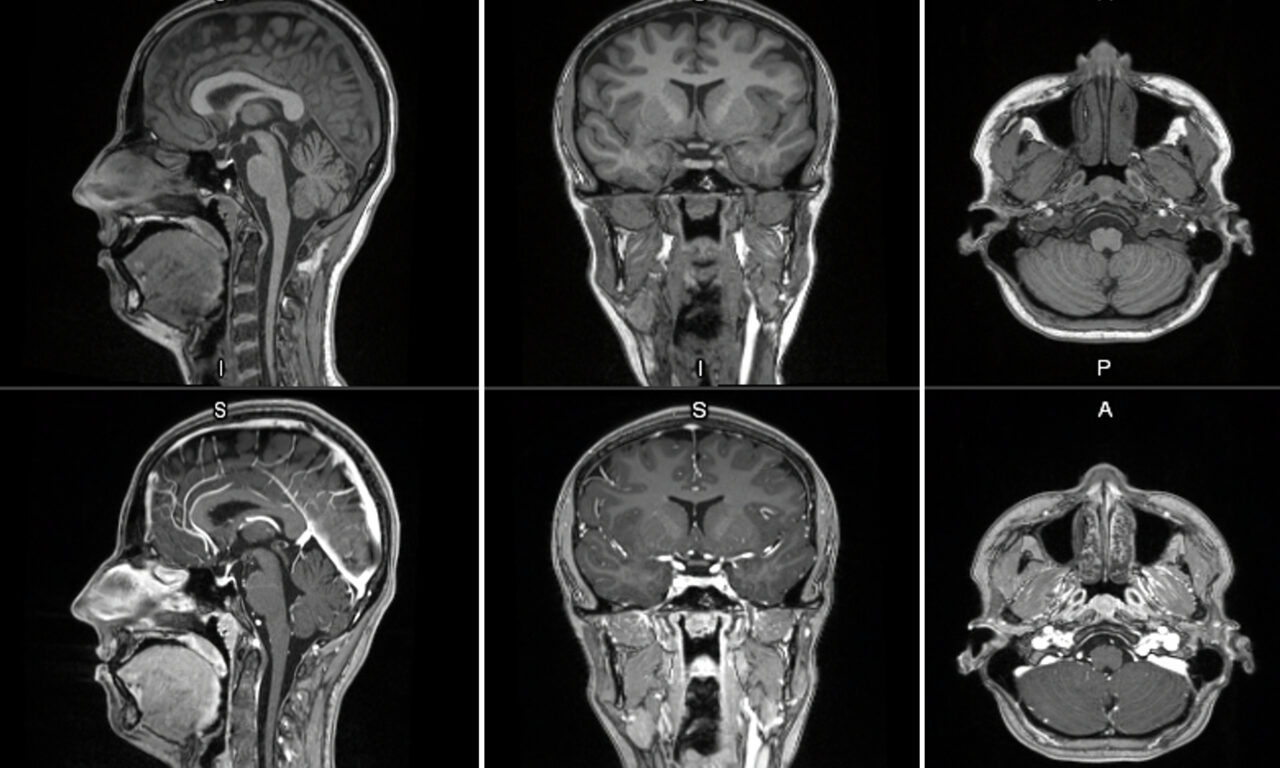
The investigational agent, mangaciclanol, is being developed as an alternative to gadolinium-based contrast agents and has received FDA Fast Track designation.





Researchers at NYU Langone Health are using AI to repurpose existing CT scans for opportunistic screening, enabling early detection of cardiovascular disease, osteoporosis, and other conditions to improve preventive healthcare.


AAPM-convened panel flags 20 key issues with the new measure designed to discourage excessive CT radiation dose while preserving image quality, citing ambiguities that could impact implementation and patient care.

New data show self-interpretation is especially common among smaller practices and certain specialties, raising questions about training and potential conflicts of interest.

Bayer and Alara Imaging, Inc. are collaborating to address inconsistent radiation doses in CT scans by improving monitoring and feedback systems in hospitals, supported by CMS’s new safety measures and Alara’s software.