
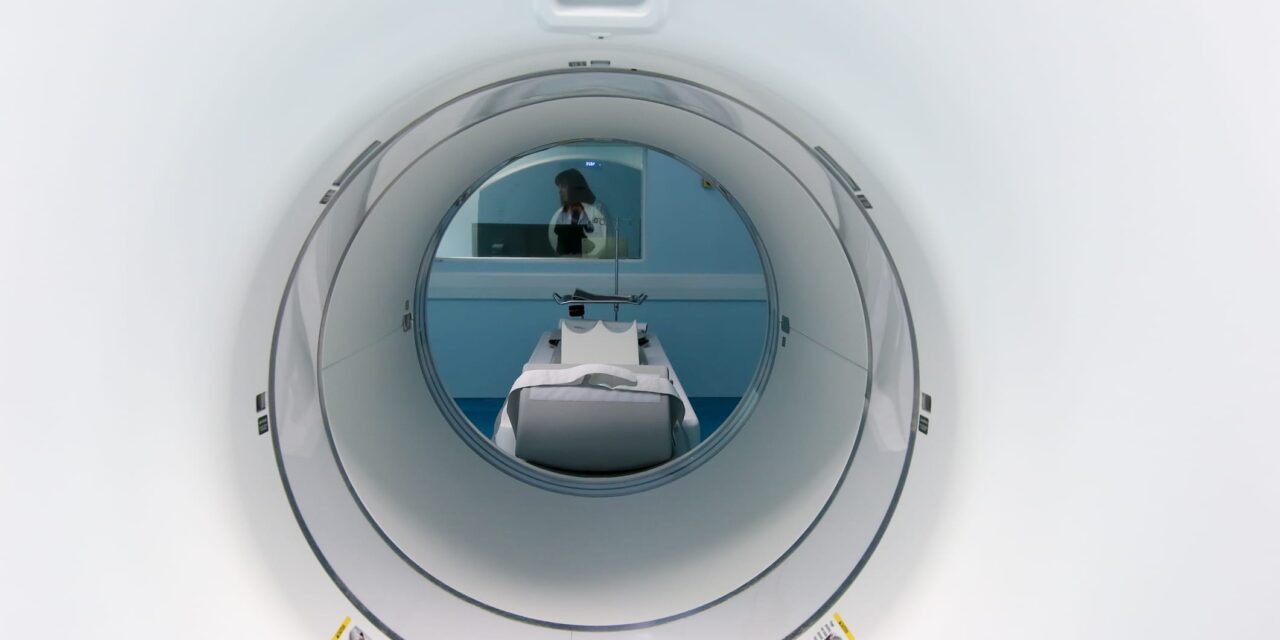
The organizations have agreed on a unified global accreditation framework for PET/CT and PET/MR scanners, aiming to standardize quantitative imaging, reduce duplicative testing, and improve data consistency across clinical trials and patient care.
Three nuclear medicine organizations—the SNMMI Clinical Trials Network, the Australasian Radiopharmaceutical Trials Network, and the European Association of Nuclear Medicine Forschungs GmbH—have jointly endorsed a unified PET/CT and PET/MR scanner accreditation framework to standardize and harmonize quantitative PET imaging worldwide.
Signed on Oct 6, 2025, the memorandum of understanding “marks a major advancement for clinical trials and patient care, providing a harmonized approach that enhances reproducibility, reduces duplication, and supports more reliable decision making throughout the lifecycle of research and patient management,” according to a release from the organizations.
Currently, PET system accreditation methods, along with the associated phantoms and acceptance criteria, vary widely across clinical research organizations, sponsors, and professional networks. This lack of harmonization results in duplicative testing, unclear responsibilities, increased costs, and inconsistent quantitative data, according to the organizations.
The new framework aims to address these areas by introducing a contrast recovery coefficient–based accreditation system to replace the current SUV recovery coefficient–based methods. The organizations say the new system will provide advantages for stakeholders:
- Streamlined Protocols: Sponsors and clinical research organizations will define a simpler, universal imaging manual.
- Efficiency and Cost Reduction: Fewer phantom scans and reduced testing will lower costs and accelerate timelines.
- Global Harmonization: Uniform performance criteria will be established for PET/CT systems across all regions and trials.
- Improved Data Quality: The quality of quantitative imaging data will be consistent, comparable, and reproducible across trials.
- Faster Site Accreditation: Validated protocols and metrics will speed the onboarding of imaging sites.
- Sponsor Relief: Ambiguity and testing responsibilities will be removed for sponsors who lack imaging-specific expertise.
- Clinical Translation: Consistent and reproducible PET/CT system performance across trials and patient care will support translation of research findings into clinical practice.
Contrast recovery coefficient-based metrics have already been incorporated into data analysis and image quality reports, providing accredited institutions with both contrast recovery coefficient and traditional metrics, according to the organizations. The full transition to contrast recovery coefficient-based accreditation will be completed in January 2026.
“The unified PET system accreditation is a pivotal step toward truly global harmonization in quantitative PET imaging,” reads a release from the organizations. “Through this collaboration, [the SNMMI Clinical Trials Network, the Australasian Radiopharmaceutical Trials Network, and the European Association of Nuclear Medicine Forschungs] are laying the groundwork for a future where data from any accredited scanner, anywhere in the world, can be trusted and compared with confidence.”
ID 69465294 | 3d Imaging © Vasilis Ververidis | Dreamstime.com