
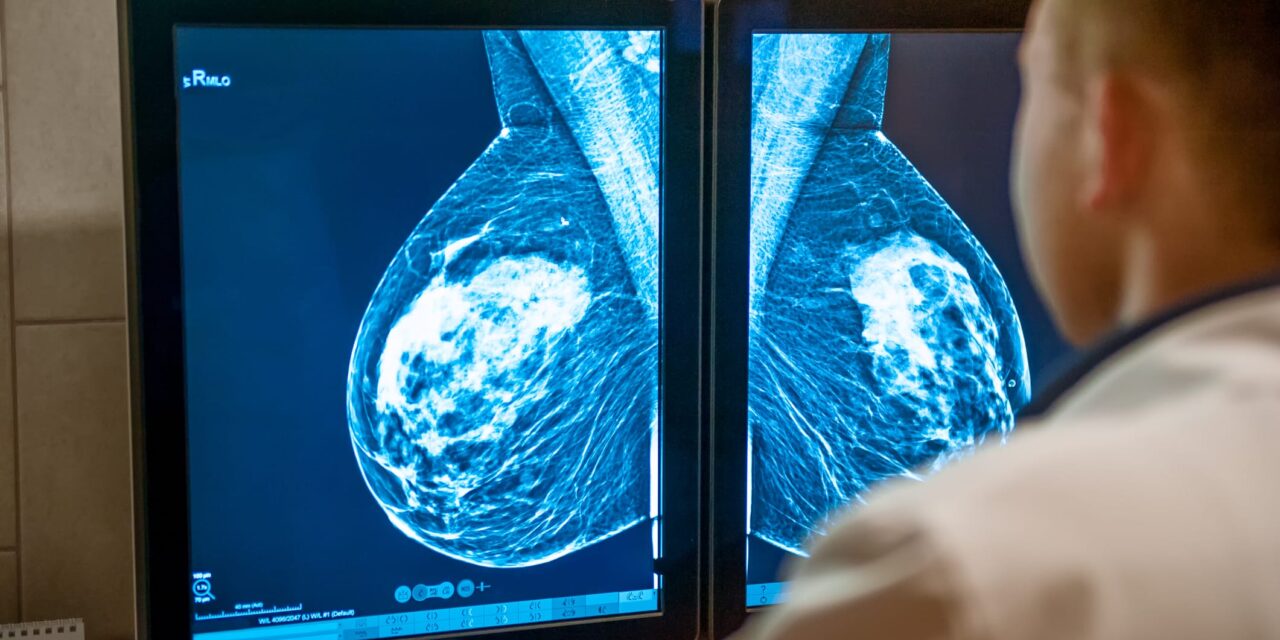
New report finds 79% of practices short-staffed as demand for mammography services outpaces supply of specialized radiologists.
A shortage of breast imaging radiologists is creating nationwide access challenges as demand for breast cancer screening and diagnostic services continues to outpace the supply of qualified specialists, according to a new report from Medicus Healthcare Solutions.
The report, titled “Behind the Screens: The Breast Imaging Radiologist Shortage,” reveals that 79% of practices report being short-staffed for breast imaging radiologists, while approximately 40 million screening mammograms are conducted annually in the US.
With only about 4 breast imaging radiologists per 100,000 US women ages 40 and older, access constraints are already in place and expected to intensify, according to the report. There are approximately 7,500 breast imaging radiologists nationwide, with significant geographic disparities in distribution.
Updated Screening Guidelines Increase Demand
The shortage has been compounded by updated screening guidelines from the US Preventive Services Task Force in 2024, which lowered the starting age for biennial mammography from 50 to 40 years old. This change widened the US mammography market by roughly 20 million newly eligible women, according to the report.
Federal Mammography Quality Standards Act updates also took effect, requiring notification of breast density in mammography results, placing additional demands on imaging teams and turnaround times.
Fellowship Training Shows Limited Interest
Fellowship training data indicates limited applicant interest in breast imaging specialization. Recent National Resident Matching Program data shows applicant-to-position ratios remaining below 1.0 from 2021 to 2025.
In 2025, there were 204 fellowship positions available with 173 total applicants, resulting in 162 positions filled and 42 positions unfilled. Only an estimated 1,000 to 2,000 radiologists have breast imaging fellowship training in the US.
While fellowship training is not required for breast imaging work, all interpreting radiologists must meet Mammography Quality Standards Act requirements, including interpreting 960 mammographic examinations over 24 months—a volume threshold that can be difficult to sustain outside of a dedicated breast imaging role.
Burnout Compounds Staffing Challenges
The shortage is creating a cycle of increased workload and burnout among existing practitioners. The report found that 78% of practicing breast radiologists report being burned out, per the Society of Breast Imaging.
Contributing factors to burnout include prolonged concentration requirements, high volumes of image and data loads, extensive image review needs, and more complex cases with faster reading demands.
Healthcare Organizations Explore Solutions
The report outlines several strategies healthcare organizations are implementing to address the shortage:
- Teleradiology services are expanding access to subspecialists and providing 24/7 coverage, particularly supporting rural facilities. A Society of Breast Imaging survey found that 74% of breast imaging radiologists preferred hybrid work arrangements, with 68% believing remote work improves work-life balance and reduces burnout.
- Artificial intelligence implementation is helping teams manage rising volumes with limited staffing. In 2025, the US Food and Drug Administration granted De Novo authorization to the first AI tool designed to predict a woman’s five-year breast cancer risk using standard screening mammograms.
- Locum tenens staffing is being used to maintain coverage, manage volume increases, reduce strain on permanent staff, and expand access in underserved communities.
The report emphasizes that breast cancer remains the second most common cancer in women in the US, accounting for about 30% of all new female cancers annually, with approximately 321,910 new cases of invasive breast cancer expected to be diagnosed in women in 2026.
ID 110406702 © Oksana Krasiuk | Dreamstime.com