
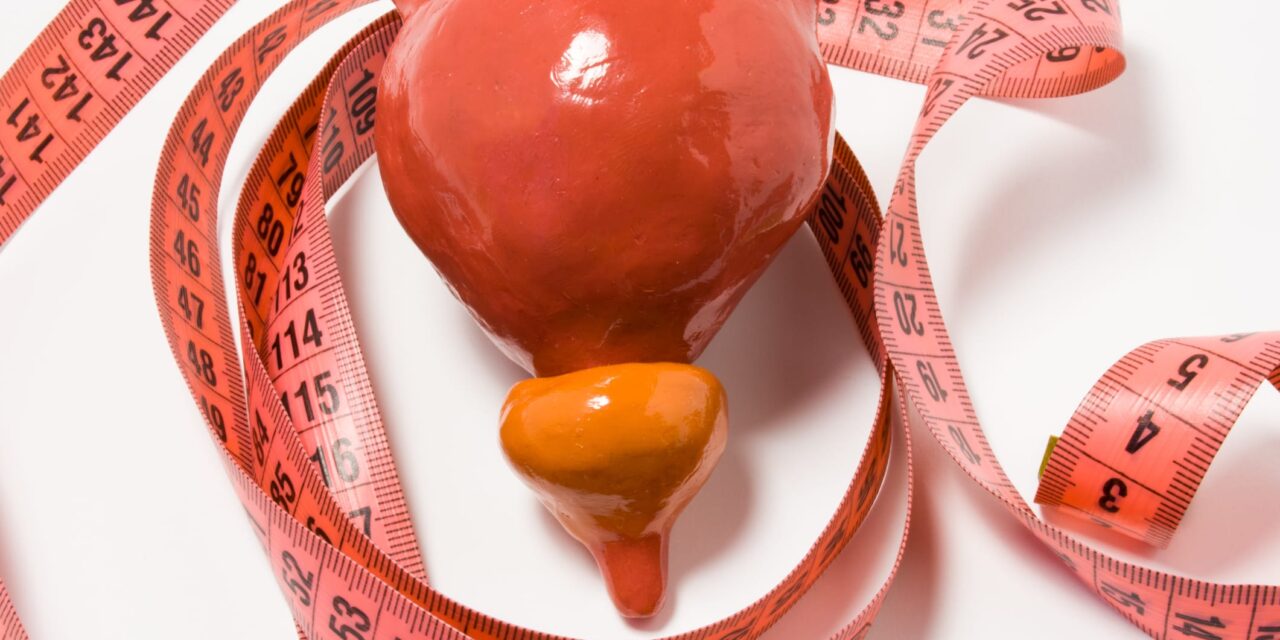
The updated recommendations reflect new evidence supporting prostatic artery embolization as a treatment option for men with benign prostatic hyperplasia.
The Society of Interventional Radiology (SIR) has published updated practice guidance for the use of prostatic artery embolization (PAE) in the treatment of benign prostatic hyperplasia, commonly known as enlarged prostate.
Published online in the Journal of Vascular and Interventional Radiology, the guidance updates SIR’s 2019 multisociety consensus position statement on PAE and incorporates new evidence supporting the procedure as an alternative to conventional surgical treatments, including transurethral resection of the prostate. The guidance also reflects the American Urological Association’s recognition of PAE as a treatment option for managing lower urinary tract symptoms associated with benign prostatic hyperplasia.
Benign prostatic hyperplasia affects up to 60% of men over age 60 and as many as 80% of men by age 80. The condition can cause urinary symptoms such as frequent urination, urgency, nocturia, weak urine stream, and incomplete bladder emptying, which can affect quality of life.
According to SIR, the document provides evidence-based guidance on the clinical evaluation of patients with benign prostatic hyperplasia, appropriate diagnostic and pre-procedural imaging, and treatment approaches tailored to the diagnosis.
“Prostatic artery embolization offers men a minimally invasive, effective treatment option for enlarged prostate that can significantly improve urinary symptoms while reducing the risks and recovery time associated with traditional surgery,” says SIR president Saher S. Sabri, MD, FSIR, in a release. “This guidance outlines a team-based approach to care that will help ensure patients have access to this durable, minimally invasive treatment.”
The document was developed by an SIR-appointed writing group of interventional radiologists and researchers specializing in PAE in collaboration with the SIR Guidelines and Statements Division.