GLP-1 Users Had Up to 35% Lower Breast Cancer Risk, Study Finds
A study of 110,000 women identified a correlation between GLP-1 use and reduced breast cancer incidence, though researchers caution the findings do not establish causation.


A study of 110,000 women identified a correlation between GLP-1 use and reduced breast cancer incidence, though researchers caution the findings do not establish causation.

New data show self-interpretation is especially common among smaller practices and certain specialties, raising questions about training and potential conflicts of interest.
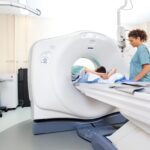


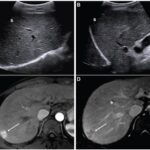
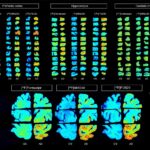


A new deep learning model using a large-scale dataset demonstrated near-expert-level accuracy in detecting and segmenting lung tumors on CT scans, offering potential for automating tasks like treatment planning and tumor burden assessment, though physician oversight remains essential for handling limitations.






German researchers found that an MRI-first approach for prostate cancer screening is safe and effective, reducing unnecessary biopsies while ensuring early detection of significant cancers.
Read More
A study found that higher Medicaid reimbursement rates are linked to increased medical imaging utilization, highlighting disparities in access to care and the need to address reimbursement gaps to improve equity for underserved populations.
Read More
X-ray–induced acoustic CT enables 3D imaging from a single X-ray projection, reducing radiation exposure, improving efficiency, and offering a compact alternative to traditional CT systems.
Read More
A deep learning model using a single inhalation lung CT scan combined with clinical data can accurately diagnose and stage COPD, reducing the need for dual-phase imaging and improving accessibility, according to a study in Radiology: Cardiothoracic Imaging.
Read More
A study from Washington University School of Medicine highlights an AI-based mammogram analysis method that detects breast cancer risk 2.3 times more accurately than traditional methods, offering equitable and improved early detection across diverse populations.
Read More