AI Tool Launches to Help Radiologists Read Breast MRI
The CE- and UKCA-marked software automatically highlights suspicious lesions and generates structured findings for screening and diagnostic exams.


The CE- and UKCA-marked software automatically highlights suspicious lesions and generates structured findings for screening and diagnostic exams.

A prospective study finds AI increases cancer detection by 13.8% in single-reader settings without raising recall rates, offering a new solution for countries relying on single-reader mammography screening.


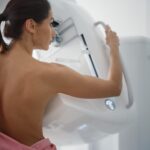

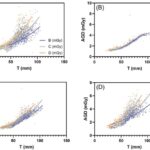


A new FDA regulation requires all U.S. mammography facilities to notify patients of their breast density levels, prompting radiologists to play a critical role in educating patients about the associated cancer risks, the need for additional screening options, and how breast density changes over time.


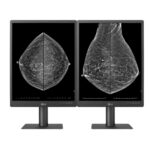


Radiologists at Muhimbili National Hospital in Tanzania will receive advanced mammography technology and training through a partnership between the Radiological Society of North America (RSNA) and GE HealthCare, aimed at enhancing breast cancer detection and reducing mortality rates.
Read More
Combining AI with radiologists’ assessments may enhance breast cancer screening with an algorithm tailored to identify normal mammograms accurately, potentially reducing false positives and unnecessary follow-ups while maintaining cancer detection rates.
Read More
Researchers have developed AsymMirai, an interpretable AI model using mammograms to predict breast cancer risk one to five years in advance by comparing differences in left and right breast tissue, showing similar performance to the complex Mirai model and suggesting bilateral dissimilarity as a potential marker for breast cancer risk.
Read More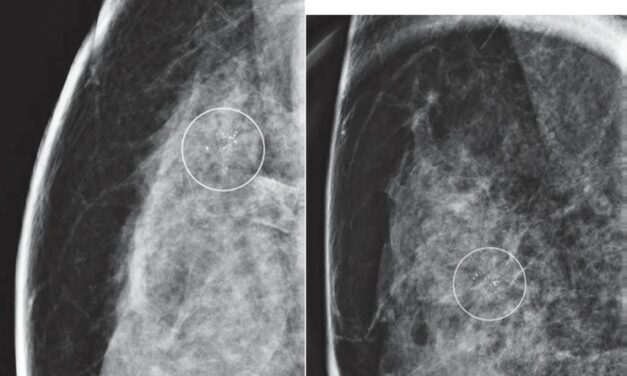
A recent study in the American Journal of Roentgenology suggests that radial scars detected in breast screening have a low risk of progressing to cancer, advocating for imaging surveillance over surgery, particularly for those without atypia.
Read More
A new study in Radiology suggests that annual breast cancer screening from age 40 to at least 79 reduces mortality significantly with minimal risks, challenging previous recommendations and emphasizing the benefits of early detection.
Read More