Calidar Completes Enrollment for First-in-Human 4D Mammography Study
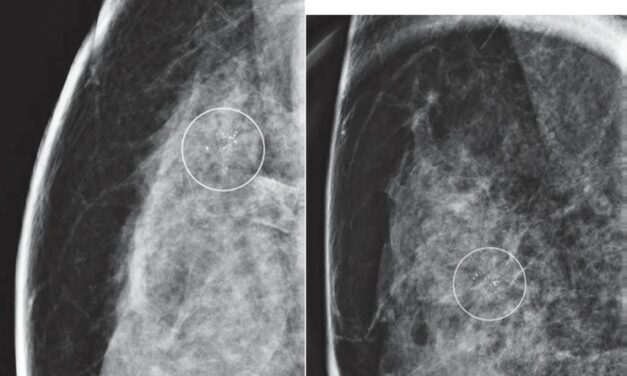
The investigational system uses X-ray diffraction to measure molecular-level signals in breast tissue, aiming to improve diagnostic precision.
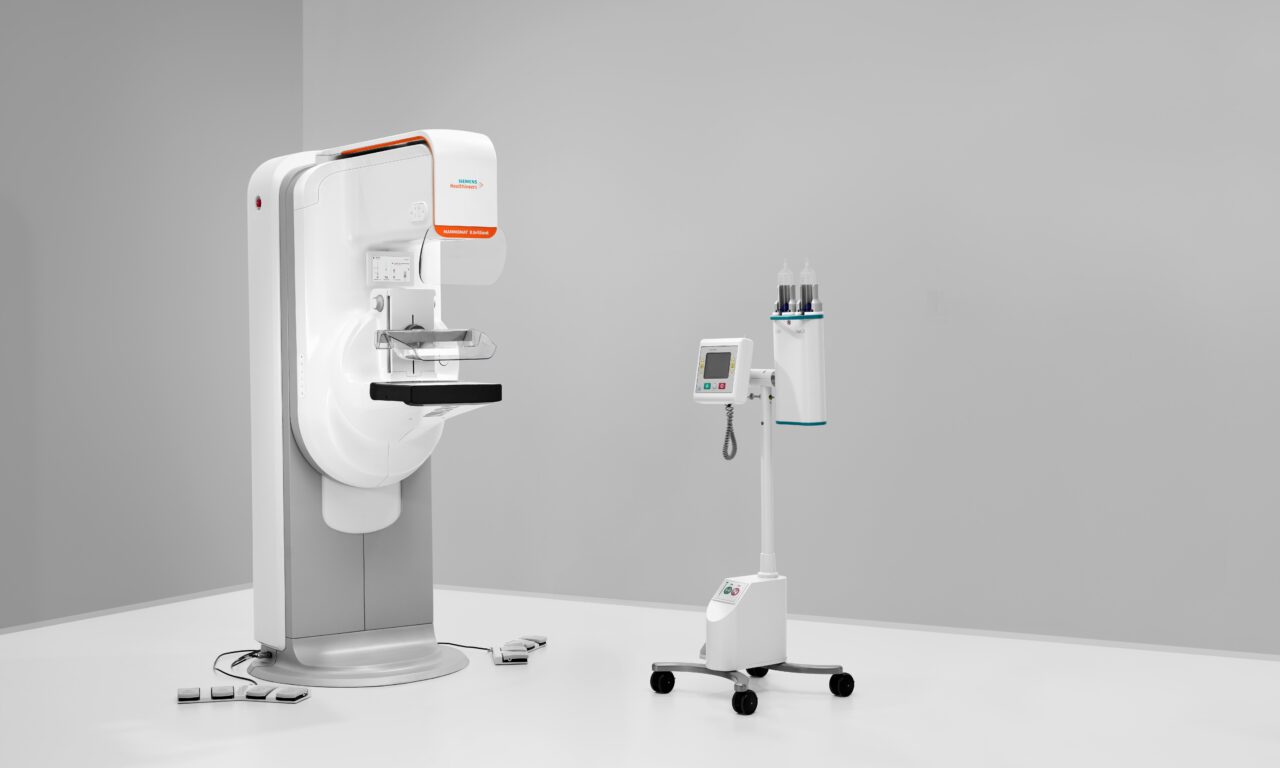
Iowa-based GRACE Breast Imaging is the first in the U.S. to install Siemens' Mammomat B.brilliant for advanced breast cancer detection.
A study of nearly 5,000 screening mammograms published in Radiology revealed that an FDA-approved AI algorithm's false positive results are influenced by patient race and age, highlighting the need for diverse training data and demographic considerations in AI software for mammography.
A new study in Radiology suggests that annual breast cancer screening from age 40 to at least 79 reduces mortality significantly with minimal risks, challenging previous recommendations and emphasizing the benefits of early detection.
Read MoreAn innovative breast imaging technique provides high sensitivity for detecting cancer while significantly reducing the likelihood of false positive results.
Read MoreDiagnoses of breast cancer have increased steadily in women under age 50 over the past two decades, with steeper increases in more recent years, according to a study led by researchers at Washington University School of Medicine in St. Louis.
Read MoreA groundbreaking study led by German researchers, known as TOSYMA, has highlighted the advantages of the digital breast tomosynthesis plus synthetic 2D mammography method for early breast cancer detection.
Read MoreThe Society of Nuclear Medicine and Molecular Imaging and the European Association of Nuclear Medicine have issued a new procedure standard/practice guideline for estrogen receptor imaging of breast cancer patients using fluoroestradiol PET.
Read More