Simplify Genomics and SimonMed Partner to Combine Imaging and Genetic Testing
The collaboration integrates whole-body MRI with genomic reporting to identify disease risks and personalize patient care.


The collaboration integrates whole-body MRI with genomic reporting to identify disease risks and personalize patient care.

A late-breaking study finds that stress MRI changed diagnoses in half of patients with chest pain despite normal angiograms, often revealing microvascular angina.


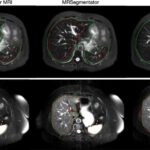


Researchers have developed an AI model that detects metastatic brain cancer spread with 85% accuracy using MRI scans, offering a non-invasive alternative to surgery and potential advancements in cancer treatment.






A study presented at the RSNA annual meeting links ultra-processed food consumption to increased thigh muscle fat, regardless of calorie intake or activity, potentially raising knee osteoarthritis risk and emphasizing the need for healthier diets.
Read More
Skeletal muscle loss, particularly in the temporalis muscle, is linked to a higher risk of developing dementia, with brain MRI offering a cost-effective way to identify and address this risk through early interventions like exercise and nutrition.
Read More
Researchers found that higher visceral fat levels in midlife are linked to Alzheimer’s pathology and reduced brain blood flow, suggesting that lifestyle changes targeting visceral obesity could help prevent or delay the disease.
Read More
Soccer heading may cause brain damage similar to that seen in neurodegenerative diseases, with repeated impacts linked to structural abnormalities and cognitive decline even without concussions, according to a new study.
Read More
A study using advanced imaging suggests that impaired pulmonary gas exchange may be linked to cognitive dysfunction and altered brain structure in long COVID patients, highlighting a potential multiorgan relationship and treatment target.
Read More