AI Method Increases MRI Scan Speed for Breast Cancer
Researchers developed a technique combining artificial intelligence and mathematical models to produce one image per second during dynamic scans.

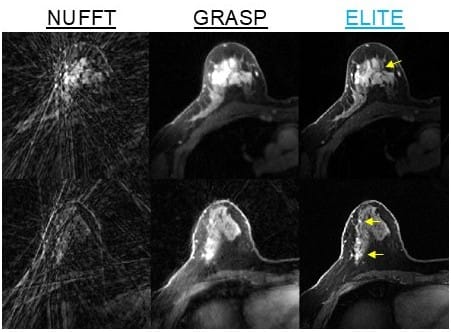
Researchers developed a technique combining artificial intelligence and mathematical models to produce one image per second during dynamic scans.

AI replacing radiologists is a growing concern. New research examines how these tools are actually used in practice.






The U.S. FDA has released draft guidance on AI-enabled devices, addressing design, risk management, and monitoring, and is seeking public feedback before finalizing the proposals.





RSNA's 2024 AI challenge used the largest open-source lumbar spine MRI dataset to develop AI models for detecting and classifying degenerative spine conditions, with participation from 1,874 teams worldwide.

A team of engineers at the University of California, San Diego, has developed a wearable, stretchable, ultrasonic array that can non-invasively and serially map the mechanical properties of deep human tissues, providing crucial information for the progression of diseases.

A new study highlights cybersecurity and privacy risks in healthcare extended reality (XR) applications, noting a lack of research, with information disclosure being a major threat, and calls for further studies and robust security measures in clinical settings.