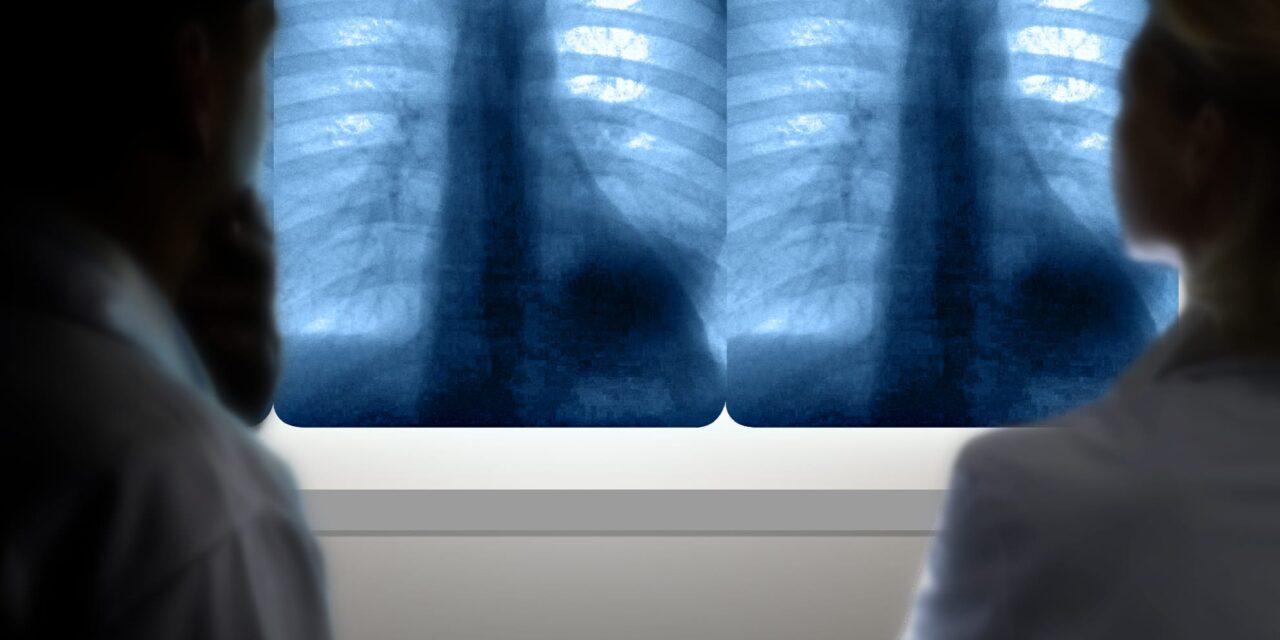
The qXR-Detect solution identifies and categorizes positive findings across lung, pleura, heart, bone, and hardware regions to support clinical decision-making.
The Food and Drug Administration (FDA) has granted 510(k) class II clearance for qXR-Detect, an artificial intelligence-powered computer-assisted detection system from Qure.ai that identifies and categorizes abnormalities on chest X-rays.
The clearance covers six indication areas: lung, pleura, mediastinum/hila and heart, bone, hardware, and others. The system is designed to support emergency room physicians, family medicine practitioners, and radiologists by highlighting positive findings on plain film chest radiographs.
With more than 70 million chest X-rays performed annually in the US across emergency departments, outpatient facilities, and routine health assessments, chest radiography represents the most frequently performed imaging examination in the country, according to a release from the company.
“There are more than 100 potential findings on a plain film chest X-ray that AI tools can help detect and assist radiologists with, supporting earlier recognition of abnormalities,” says Amit Gupta, MD, division chief of cardiothoracic imaging and modality director of diagnostic radiography at University Hospitals Cleveland Medical Center, in a release. “Tools such as qXR-Detect go beyond binary detection alone. In addition to flagging potential abnormalities, the system provides visual localization and explainability, such as through bounding boxes and region-of-interest labels.”
Performance Testing and Clinical Studies
To achieve FDA clearance, qXR-Detect underwent performance testing as a standalone system and through a multi-reader multi-case clinical study. The device demonstrated good performance in both evaluations and met predefined success criteria, according to a release from the company.
The system is notable as the only chest X-ray computer-assisted detection device cleared by the FDA with a Predetermined Change Control Plan (PCCP), which allows for algorithm updates without requiring separate regulatory submissions, according to the company.
“This will help assure US health system customers access to the most up-to-date version of the algorithm as models and architecture evolves,” says Samir Shah, chief medical officer at Qure.ai, in a release.
Expanding AI Portfolio
The new clearance brings Qure.ai’s total FDA-cleared indications to 26 across nine products for X-ray and CT imaging. The company’s existing FDA clearances include systems for identifying and quantifying lung nodules, triaging pneumothorax and pleural effusion, and detecting neurocritical findings including intracranial hemorrhage, cranial fracture, and midline shift.
The system aims to help clinicians quickly identify abnormalities that may require closer attention or additional diagnostic workup, potentially supporting earlier detection of conditions such as lung cancer and other chest pathologies.
ID 123320256 © Mcwilli1 | Dreamstime.com